


-

Add: HeBei ShengShi HongBang Cellulose Technology CO.,LTD.
-

Email
13180486930@163.com -

CONTACT US
+86 13180486930





Understanding the properties and applications of HPMC K15M viscosity is critical for industries ranging from pharmaceuticals to construction. Hydroxypropyl methylcellulose (HPMC) is a multifunctional compound used primarily for its thickening and stabilizing properties. The alphanumeric code K15M denotes a particular viscosity grade that plays a significant role in determining its application suitability. When discussing the viscosity of HPMC K15M, we refer to the measure of its resistance to flow. Viscosity impacts the performance of HPMC in various formulations; hence, understanding its breadth can enhance application outcomes. The viscosity of HPMC K15M lies typically between 12,000 to 18,000 mPa.s, measured in a 2% solution at 20°C. This specific viscosity makes it a versatile option for formulations requiring medium to high viscosity levels. In pharmaceutical applications, the HPMC K15M grade finds extensive use in controlled release formulations. It acts as an essential component in hydrophilic matrices designed to extend the release of active pharmaceutical ingredients (APIs). The high viscosity of HPMC K15M provides a protective gel barrier when it comes in contact with gastrointestinal fluids. This gel barrier modulates the diffusion of APIs, thereby achieving a precise drug release profile. The expertise in formulating these controlled release systems requires a detailed understanding of how HPMC's viscosity interacts with other ingredients and its impact on overall pharmacokinetics. Beyond pharmaceuticals, HPMC K15M is pivotal in the construction industry, particularly in tile adhesives and mortars. The compound's viscosity contributes to increased water retention which ensures a longer open time and improves the workability of the mixtures. Experience shows that formulations including HPMC K15M provide superior consistency and adhesive strength. The expertise in balancing viscosity with other mechanical properties can result in end-products that are more durable and efficient. In the realm of food products, HPMC K15M serves as a thickening agent . It enhances the texture and stability of various food items without altering their taste or color. For instance, in gluten-free products, HPMC K15M imparts the necessary dough elasticity, ensuring the product mimics traditional gluten-containing bread or pastries. The authority in food science recognizes the importance of such ingredients in creating innovative and consumer-friendly products. In this context, the trustworthiness of HPMC K15M is underscored by its acceptance by food safety authorities, such as the FDA, recognizing it as safe for consumption. hpmc k15m viscosity Moreover, from a sustainability standpoint, HPMC K15M is derived from cellulose, the most abundant organic polymer on Earth. This aligns with eco-friendly production goals across various industries seeking to diminish their environmental footprint. The utilization of HPMC K15M reflects a knowledgeable approach to integrating green chemistry principles in commercial manufacturing processes, further establishing its role in sustainable product development. Finally, the trustworthiness of this compound can be best understood through its consistent performance and regulatory compliance. Industries leveraging HPMC K15M in their formulations benefit from its predictable behavior across different environments and its conformance to stringent quality standards. To maximize HPMC K15M’s potential, industries continue to innovate in formulation techniques. Advanced research focuses on how modifying HPMC’s chemical structure could lead to even more versatile applications and improved product qualities. Yet, as it stands, the benefits provided by the unique viscosity profile of HPMC K15M remain a cornerstone in both high-performance and routine applications. Thus, the exploration of HPMC K15M's viscosity is not merely a technical exercise but a pathway to improved product performance and innovation across multiple industries. Whether enhancing drug delivery mechanisms, improving construction materials, refining food textures, or driving eco-friendly practices, HPMC K15M stands as a testament to the intersection of science and industrial application.
- 40000tons

Production
- 20+years

Experience
- 5000+㎡

Acreage

-
The emergence of HPMC nasal spray as a potential tool in the fight against COVID-19 has garnered significant attention from healthcare professionals, researchers, and the general public alike. Hydroxypropyl methylcellulose, or HPMC, is a versatile compound widely used in the pharmaceutical industry for its binding properties and safety profile. Its introduction into nasal spray formulations presents a novel approach to mitigating the risk of COVID-19 transmission and providing an additional layer of protection alongside vaccines and other preventive measures. HPMC Nasal Spray A Clinical Insight Amid the pandemic, various studies have explored the efficacy of nasal sprays in preventing viral infections. The primary function of an HPMC nasal spray is to form a protective barrier on the nasal mucosa . This barrier effectively traps viral particles and aids in their removal, reducing the likelihood of them entering the respiratory system. The spray's mechanism relies on the unique properties of HPMC, which allows it to adhere to the nasal lining and create a physical shield without causing irritation or adverse reactions. Researchers exploring HPMC nasal sprays have noted their potential in lowering viral load in the nasal passages, a critical site for initial coronavirus infection. Several clinical trials have been conducted to determine the spray’s effectiveness in real-world scenarios, offering promising results in reducing transmission rates among individuals exposed to COVID-19. Expert Opinions and Guidance Leading virologists and epidemiologists emphasize that while HPMC nasal sprays are not a standalone solution to COVID-19, they can be an effective adjunct to vaccination, mask-wearing, and social distancing. The spray’s ease of use and lack of systemic absorption make it a suitable option for individuals who seek additional protection, especially in high-risk environments such as healthcare settings, crowded public spaces, and among vulnerable populations. Medical professionals recommend the strategic use of HPMC nasal sprays as part of a comprehensive COVID-19 management plan. The spray should be used according to the manufacturer's instructions, typically involving application before exposure to crowded places and regular reapplication for continued efficacy. Building Trust Through Proven Safety hpmc nasal spray covid A key factor contributing to the trustworthiness of HPMC nasal sprays is their safety profile. Derived from cellulose, HPMC is non-toxic, non-allergenic, and widely recognized as safe for use in pharmaceutical and food products. Its application in nasal sprays is supported by extensive research demonstrating minimal risk of side effects, making it suitable for broad public use, including children and individuals with underlying health conditions. Moreover, reputable health organizations and regulatory bodies have begun acknowledging the potential advantages of barrier nasal sprays in respiratory viral protection. Although official endorsements are still emerging, the consistent findings across various studies highlight the spray's potential benefits and safety, encouraging more robust exploration and use. Real-World Experience Testimonials and User Satisfaction Users of HPMC nasal sprays have reported a sense of added security when engaging in daily activities, particularly in scenarios where social distancing is challenging. Many appreciate the spray's non-invasive nature and ease of integration into their routine preventive measures. Testimonials often mention the spray's convenience, noting its unobtrusive application and absence of any noticeable discomfort or side effects. Additionally, users have expressed satisfaction with the spray's perceived effectiveness, reinforcing its credibility as a practical preventive measure. However, they also acknowledge the importance of complementing its use with vaccination and other recommended practices for holistic COVID-19 protection. Concluding Perspective The innovation behind HPMC nasal sprays represents a significant step forward in respiratory disease prevention, particularly in the context of COVID-19. By leveraging its expertise in pharmaceuticals and understanding the dynamics of viral transmissions, the development of HPMC nasal sprays adds a valuable tool to the arsenal against COVID-19. As research continues and adoption increases, stakeholders in public health and the healthcare industry are poised to gain valuable insights into the integration of such preventative measures into broader health strategies. The potential of HPMC nasal sprays, backed by scientific expertise and real-world testimonials, positions it as a credible option in our continued efforts to navigate the challenges of the COVID-19 pandemic and beyond.
-
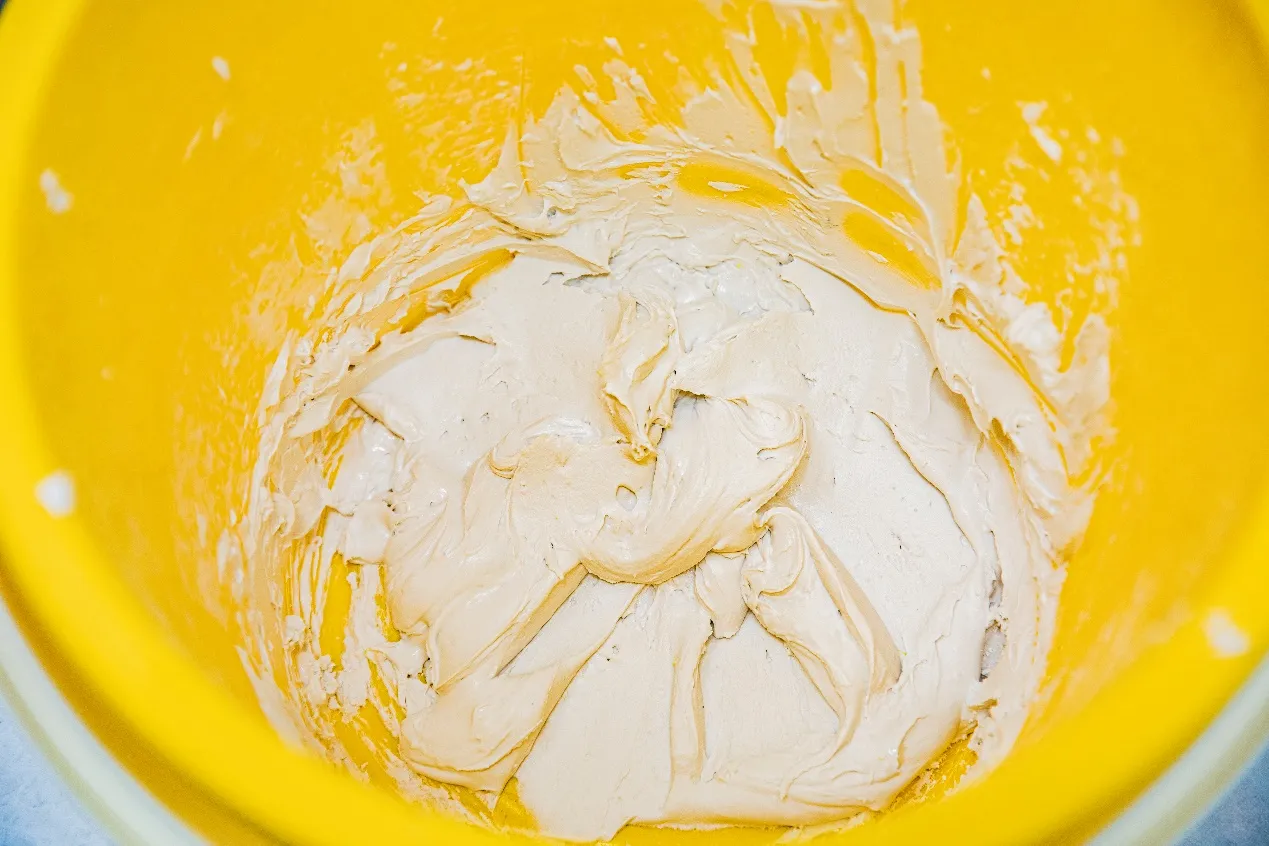
Hydroxypropyl methylcellulose (HPMC) is widely recognized as a versatile compound that finds its application across various industries. Preparing HPMC solutions is paramount for ensuring its effective performance, whether in pharmaceuticals, food processing, or construction. This article sheds light on the expertise required, authoritative guidelines, and trustworthy methodologies associated with HPMC solution preparation. Experience in HPMC solution preparation reveals that the process is both an art and a science, demanding precision and knowledge. Users often face challenges such as insolubility, clumping, or achieving the desired viscosity. These challenges can be mitigated by following specific preparation steps . Here, I will share a streamlined process derived from years of hands-on experience 1. Selection of Grade The choice of HPMC grade significantly influences the end properties of the solution. Different grades offer varying viscosities and gel temperatures, making it crucial to consult technical specification sheets provided by manufacturers to select the right grade for your application needs. 2. Water Quality The quality of solvent, usually water, plays a critical role. Using deionized or distilled water enhances solubility and prevents any potential reactions from contaminants. Experience confirms that temperature-controlled environments boost the solubility rate and uniformity of HPMC throughout the solution. 3. Dispersion Technique Accurate dispersion ensures the complete hydration of HPMC without forming clumps. Begin by sprinkling HPMC slowly into the solvent while stirring continuously. An authoritative tip involves using mechanical stirrers to maintain a consistent dispersal, achieving a lump-free solution efficiently. 4. Temperature Control The temperature of the solvent should be monitored closely. HPMC tends to dissolve better in cold water. By initially employing cold water to disperse the HPMC and later heating it up if the application demands a higher temperature, one can secure optimal results. hpmc solution preparation 5. Hydration Time Time is a crucial factor in preparing an HPMC solution. Allow the solution to hydrate fully, which might take several hours depending on the grade and environmental conditions. Patience is key as incomplete hydration could result in suboptimal solution properties. 6. pH Adjustment For applications requiring specific pH levels, adjust the pH of the solution after full hydration. Different grades of HPMC might react differently to pH adjustments, so it's advisable to conduct small-scale tests before full-scale operations. From a professional standpoint, the expertise of troubleshooting common issues cannot be overstated. In some cases, adding a non-ionic surfactant can assist in reducing surface tension and improving solubility. Furthermore, employing an industrial homogenizer can yield a finer, more consistent HPMC solution in high-demand applications. To establish authority in the preparation of HPMC solutions, it’s paramount to adhere to standardized practices as endorsed by industry leaders. Following guidelines from entities like the United States Pharmacopeia (USP) can ensure compliance and efficacy in pharmaceutical applications. Maintaining a record of every batch's preparation details ensures traceability and identifies areas for future optimization. Trustworthiness is built through consistency and transparency. Regularly testing and documenting the rheological properties of prepared solutions guarantees batch-to-batch uniformity. For enhanced credibility, consider third-party verification from accredited laboratories to validate the effectiveness and safety of the final solution. In conclusion, HPMC solution preparation demands a blend of practical experience, specialized knowledge, and adherence to authoritative protocols. By following these best practices, one can ensure the creation of high-quality HPMC solutions suitable for a variety of applications, ultimately fostering trust and reliability in the end product.
advantages
-

200000 Viscosities
Excellent product
We can produce pure products up to 200,000 viscosities
-

40000 tons
High yield
We don’t stop production all year round, and the annual output can reach 40,000 tons
-

24 hours
Quality service
We provide 24-hours online reception service, welcome to consult at any time
———— Inquiry Form
Schedule A services

- nylon_is_a_synthetic_fibre
Oct . 25, 2025
Jute synthetic fiber represents a groundbreaking innovation in the textile industry, blending tradit -
 hydroxypropyl_methylcellulose_is_used_in
Oct . 25, 2025
Unveiling the Potential of HPMC E5 in Modern Industries Hydroxypropyl Methylcellulose (HPMC) E5 is g -
 pulbos_ng_vae
Oct . 25, 2025
China, often regarded as the world's factory, boasts an enormous and diverse manufacturing sector th


